
Full Bibliography
Prolegomenon to the Millennial History of the Western Armenian World ‒ The First Phase Tenth to Fifteenth Centuries ‒ From Kingdoms to an Awakening Politics and Culture. Los Angeles: The Western Prelacy, 2026 - in Press. ISBN 978-1-967180-02-8
Yovhan III Ōdznets‘i Saint, Jurist and Great Master of Armenian Mesopolitan Culture and Diplomacy - Յովհան Գ. Օձնեցի ‒ Սուրբը, Կանոնագէտը եւ Մեծ Վարպետը Հայ Միջնաշխարհեան Մշակոյթի եւ Դիւանագիտութեան. Los Angeles: The Western Prelacy, 2025. ISBN 978-1-967180-00-4
Nersēs IV Shnorhali - Saint and Diplomat and the Persistence of the People and the Church in the Western Armenian World / Ներսէս Դ. Շնորհալի Սուրբ եւ Դիւանագէտ եւ Ժողովուրդին ու Եկեղեցիին Գոյատեւումը Արեւմտեան Հայաշխարհին մէջ. Los Angeles: The Western Prelacy, 2025). ISBN 978-1-967180-03-5
Encounters and Convergences. A Book of Ideas and Art. USA: 2023. ISBN 979-889121965-6
Islam in Armenian Literary Culture: Texts, Contexts, Dynamics. Leuven: Peeters, 2021. ISBN 978-90-429-4503-6
The Armenian Condition in Hindsight and Foresight- A Discourse / 2015 – Հայ Վիճակը Յետահայեցութեամբ և Նախահայեցութեամբ – Վերլուծում մը. Ottawa, Canada: 2015. ISBN978-1-4951-7994-5
The Catholicosate of Cilicia - History, Mission, Treasures. Editor, Co-Author. Antelias, Lebanon: Catholicosate Publications, 2015.
ISBN978-9953-0-3164-4
The Armenians in the Medieval Islamic World – Paradigms of Interaction Seventh to Fourteenth Centuries. 3 vols. Transaction Publishers. New Brunswick, U.S.A. & London, UK: 2011, 2012, 2013.
-Vol. III: Medieval Cosmopolitanism and Images of Islam ‒Thirteenth to Fourteenth Centuries. (2013) ISBN978-1-4128-4577-9
- Vol. II: Armenian Realpolitik in the Islamic World and Diverging Paradigms ‒ The Case of Cilicia. (2012) ISBN978-1-4128-4782-7
- Vol. I: The Arab Period in Armīnyah.(2011) ISBN978-1-4128-5189-3
The Armenian Catholicosate from Cilicia to Antelias − An Introduction to the Political History. Antelias, Lebanon: Catholicosate Publications, 2003.
The Contribution of the Armenian Church to the Christian Witness in the Middle East. Editor, Co-Author. Antelias, Lebanon: Catholicosate Publications, 2001.
The Fāṭimid Armenians ‒ Cultural and Political Interaction in the Near East. Islamic History and Civilization Series. E.J. Brill. Leiden: 1997. ISBN 90-04-10816-5
Յովհաննէս Երզնակացիի 'Ի Տաճկաց Իմաստասիրաց'ը և Իմաստասիրական Արձակը Իսլամական Աղբիւրներուն Լոյսին Տակ [John of Erznka: 'Views from the Writings of Islamic Philosophers' and Philosophical Treatises in the Light of their Islamic Sources – Ikhwān al Ṣafā’]. Beirut: 1991.
Էջեր Արևմտահայ Մտածումէն – Ե. Տէմիրճիպաշեան, Տ. Չրաքեան-Ինտրա, Շ. Պէրպէրեան, Գ. Գավաֆեան, Դանիէլ Վարուժան [Pages of West Armenian Philosophical Thought – E. Demirjibashian, T. Chrakian-Indra, Sh. Berberian, G. Kavafian, Taniel Varujan]. A.G.B.U. Beirut: 1987. (Winner of H. Uzunian Award for Best Armenian Book of 1987).
Լիբանանահայ Նկարչութիւնը Ինքնութեան Տագնապին Լոյսին Տակ [Armenian Painting in Lebanon in the Light of the Crisis of Identity]. Antelias, Lebanon: Catholicosate Publications, 1984.
Some Links
- “Nersēs IV Shnorhali: The Legacy in Political Perspective” ‒ On the 850th anniversary of his death, Le Muséon. 1-2, 137 (2024), pp. 171-206.
- “St. Nersēs IV Shnorhali the Diplomat” [Սուրբ Ներսէս Դ. Շնորհալի Դիւանագէտը], Hask Armenological Review, XIII(2024), pp. 169-203.
- “Լոյս Տեսաւ Փրոֆ. Սեդա Պարսումեան-Տատոյեանի` Ներսէս Դ. Շնորհալի Սուրբ Եւ Դիւանագէտ Եւ Ժողովուրդին ու Եկեղեցիին Գոյատեւումը Արեւմտեան Հայաշխարհին Մէջ Հատորը.” Aztag, July 17, 2025. https://www.aztagdaily.com/archives/654569
- “The Western Prelacy Announces Publication of New Bilingual Book on Nerses Shnorhali: Nersēs IV Shnorhali Saint and Diplomat and the Persistence of the People and the Church in the Western Armenian World ”, Asbarez, July 3, 2025.
https://asbarez.com/western-prelacy-announces-publication-of-new-bilingual-book-on-nerses-shnorhali/
- “Encounters and Convergences. A Book of Ideas and Art, Seta B. Dadoyan, Դիմագրաւումեր Եւ Միաւորումներ. Գիրք Միտքերու եւ Արուեստի, Սեդա Պ. Տատոյեան”, Aztag, October 2, 2023. https://www.aztagdaily.com/archives/594337
- “Prof. Seta Dadoyan to Hold Lecture Series on ‘Counterpoints: Philosophy, Historiography, Art”, AAHCP (Atamian Hovsepian Curatorial Practice) NYC - Asbarez, February 27, 2024.
- “Encounters and Convergences: Prof. Seta Dadoyan Publishes New Book”, Asbarez, September 13, 2023. https://asbarez.com/encounters-and-convergences-prof-seta-dadoyan-publishes-new-book/
- “Ի Խնդիր Մերձաւոր-Միջինարեւելեան, Այժմէական եւ Գործօն Հայագիտութեան մը ‒ Իսլամը Հայ Գրական Մշակոյթին Մէջ. Բնագիրներ, Հիմնավայրեր, Ուժընթացք Islam In Armenian Literary Culture. Texts, Contexts, Dynamics (Louvain: Peeters, 2021) Սեդա Պ. Տատոյեան”, Aztag, October 5, 2021. https://www.aztagdaily.com/archives/524669
- “Dadoyan Lectures on Islam and Armenians ‒ The University of Michigan Armenian Studies Program hosted Professor Seta B. Dadoyan” – A well-attended lecture in the International Institute, Armenian Weekly, February 19, 2009. https://armenianweekly.com/2009/02/19/dadoyan-lectures-on-islam-and-armenians/
- “Seta Dadoyan to Discuss Islam in Armenian Literary Culture at Columbia” – New York, NY—Dr. Seta B. Dadoyan to present a lecture entitled ‘Islam in Armenian Literary Culture’ ‒ 7th to 21st Centuries, Armenian Weekly, February 24, 2020.
- “Prof. Seta Dadoyan ‘In Quest of Historical Geoglyphs: Islam in Armenian Literary Culture. Texts, Contexts, Dynamics”, ARPA Institute, March,2012. https://www.youtube.com/watch?v=-dzXS_eRtng
- “Պատմական Հրատարակութիւն Մը. Կիլիկիոյ Հայ Կաթողիկոսութիւնը Պատմութիւն, Գանձեր, Առաքելութիւն/The Armenian Catholicosate of Clicia. History, Treasures, Mission, Seta B. Dadoyan”, (Antelias, 2015), Aztag, August 26, 2016. https://www.aztagdaily.com/archives/311680
- “Dadoyan to Speak at CUNY on The Armenians in Medieval Islamic World”, Armenian Weekly, Thursday, October 13, 2011.
- “Dadoyan to Speak on Armenians in Medieval Islamic World” - Armenian History Beyond the Pillars of Hercules”, NAASR, 395 Concord Ave, Belmont, MA 02478, Armenian Weekly, April 23, 2013. https://armenianweekly.com/2013/04/23/dadoyan-to-speak-at-naasr-on-armenians-in-medieval-islamic-world/
- “Prof. Seta Dadoyan on The Armenians and Islam”, Ararat Eskijian Museum, Los Angeles, CA, April 22/2012. https://www.youtube.com/watch?v=ZSf_LIAE0CM
-"Prof. Seta B. Dadoyan to Speak at Middle East & Middle Eastern American Center, City University of New York." Armenian Reporter. 18 March 2006.
- “Prof. Dadoyan gave a lecture at Haigazian on ‘The Armenian Experience in the East”. Lebanon Files (in Arabic). March 30, 2012.
Book Covers & Contents
Prolegomenon to the Millennial History of the Western Armenian World ‒The First Phase Tenth to Fifteenth Centuries ‒ From Kingdoms to an Awakening Politics and Culture. Los Angeles: The Western Prelacy, 2026.
ISBN 978-1-967180-02-8
Contents
Preface. A Critique of the ‘Center-Periphery’ Paradigm – The ‘Western and Eastern Armenian Worlds’ Historiographic Model
Part One. Formation of the Western Armenian World
Chapter I. Beginnings in the Earlier Periods
Chapter II. The Armenian Intermezzo
Part Two. The Dynastic Triangle or the Second Age of Kingdoms ‒ Twelfth to Fourteenth centuries
Chapter I. The Dynastic Triangle
Chapter II. Cilicia. The first Body Politic in the Western Armenian World
1. Four points as an introduction to the political history of Cilicia
2. Factors in the making of Armenian Cilicia
3. The Cilician Principality between the Crusaders and the Seljuk Turks
4. A mesopolitan issue: Two contradictory projects for Armenian Cilicia
a. Prince T‘oros II and the project of a Latin-Armenian Cilicia
b. Prince Mleh and the project of a Zankī-Armenian Cilicia
5. Cilicia and the Ayyūbids
6. Fall of Jerusalem and the famous Oath of Ṣalāḥ ed-Dīn to the Armenians and Christians
7. The Aftermath and the Project of the Cilician Kingdom
8. The Kingdom and the Church between Latins, Greeks, Ayyūbids, Mongols, Mamlūks
a. Ecumenism and politics
b. King Lewon I: Realpolitik, the Cilician Spirit and the Kingdom
c. The Latin-Armenian Kingdom of Cilicia between Franks and Muslims
9. The Mongol Period ‒ Hetum I and the Mamlūks
10. The Mamlūks
11. The Fall of the Kingdom
Chapter III. The Zak‘arians at Ani
Chapter IV. The City State of Erznka/Erzinjān
Part Three. Problematics of Sovereignty, Orthodoxy and Identity ‒ State and Church in Cilicia
Chapter I. The Church from the fall of Ani in 1045 to Lewon II/I
Chapter II. State and Church ‒ Monarchs and Catholicoi
Chapter III. A different and novel perspective on the ‘1441 Movement’
A List of the Cilician Princes/Kings and their Contemporary Catholicoi
Part Four. A Mesopolitan Culture in the Western Armenian World ‒ The Path to the Awakening
Chapter I. Beginnings in the Tenth and Eleventh Centuries
Chapter II. Grigor Narekats‘i and Grigor Magistros as Forerunners in liberal thought
Grigor Pahlawuni Magistros and secularization of knowledge
Chapter III. Aspects of the Theological-Philosophical legacy of the Silver Age in the Western Armenian World
Chapter IV. Medieval Cosmopolitanism in the
Western Armenian World – The Case of Erznka
Chapter V. Poetry as Bridge to an Early Awakening
Conclusions
Bibliography
Yovhan III Ōdznets‘i Saint, Jurist and Great Master of Armenian Mesopolitan Culture and Diplomacy/ Յովհան Գ. Օձնեցի ‒ Սուրբը, Կանոնագէտը եւ Մեծ Վարպետը Հայ Միջնաշխարհեան Մշակոյթի եւ Դիւանագիտութեան Los Angeles: The Western Prelacy, 2025.
ISBN 978-1-967180-00-4
Contents
Preface by HE Archbishop Kegham Khacherian
Foreword. The Relevance of this Book in the Series
Part One. The Age of Yovhan III ‒ A New Phase in the Armenian Mesopolitan Condition
I. The mesopolitan nature of the Armenian condition
II. Internal polarization as a symptom
III. The problematic nature of Armenian sovereignty
IV. The diplomatic-political-social career of the Church
V. Armenian ‘orthodoxy’ as ‘identity’
VI. Eastern and Western Armenian Worlds
Part Two. Circumstances Prior to Yovhan III
I. Rāshidūn Period ‒ Armenian Pax Islamica
A. First Oath by Mu‘āwiyah to T‘. Ṛshtuni ‒ 652
B. Second Pact by Ibn Maslamah ‒ Dwin ‒ 654
II. The Umayyad Period
A. Third pact by [now] Caliph Mu‘āwiyah ‒ 661
B. Fourth pact by ‘Abdel-Malik ‒ Sahak III ‒ 703
Part Three. Yovhan III ‒ Saint, Jurist, Master of Diplomacy
I. Life in cosmopolitan Dwin and Zwart‘nots‘
II. Fifth Pact by Caliph ‘Umar II ‒ 719
III. Council of Dwin ‒ 719/720 ‒ The Oration
IV. Council of Manzikert with the Syrian Church ‒ 726
V. Book of Armenian Canons ‒ Կանոնագիրք Հայոց
Part Four. The Legacy of Yovhan III
I. The political aspect
II. The political and diplomatic status of the Church
III. The organizational and canonical aspect
IV. The doctrinal-national aspect: ‘orthodoxy’ as ‘identity’
Appendices
Nersēs IV Shnorhali Saint and Diplomat and the Persistence of the People and the Church in the Western Armenian World / Ներսէս Դ. Շնորհալի Սուրբ եւ Դիւանագէտ եւ Ժողովուրդին ու Եկեղեցիին Գոյատեւումը Արեւմտեան Հայաշխարհին մէջ Los Angeles: The Western Prelacy, 2025.
ISBN 978-1-967180-03-5
Contents
Preface by Archbishop Kegham Khacherian
Foreword
Part One. Shnorhali Saint and Diplomat
Part Two. The historical circumstances
I. The ‘Armenian Intemezzo’ and the formation of Cilicia
II. Armenian Cilicia in its region and circumstances
III. Shnorhali between two diverging projects for an independent state
IV. Mleh and the project of a ‘Zangī-Armenian Cilicia’
Part Three. The legacy of Shnorhali on different levels
I. The predecessors of Shnorhali and their legacy
II. Grigor III and Nersēs IV – A joint incumbency
III. “Lament of Edessa” – An introduction to the legacy of Shnorhali
IV. The legacy of Shnorhali on four levels: as theologian, social reformer, populist,
tutor-popularizer of faith, and diplomat
V. The church union processes
Conclusions
Encounters and Convergences. A Book of Ideas and Art. USA: 2023.
ISBN 979-889121965-6
Contents
Prologue on Scholarship and the Arts
Part One. My Aesthetic
Chapter I. Aesthetics, Modernity, Postmodernism
Chapter II. Cognitivism, Expressivism, Truth-content
Chapter III. Social-Historical Embeddedness of Art
Chapter IV. The “culture industry”
Chapter V. Concretization as Alternative ‒ The Artwork
Part Two. The Quest and the Path
Chapter I. Prelude
A. Paint and brush
B. The cataclysm
C. Museums, studios, models
Chapter II. Encounters with Strife and Suffering
A. Time of reckoning and choices
B. First news and glimpses
C. Wartime and situatedness
D. Armenian painting in Lebanon
E. The turning point – Aesthetic-philosophical positioning
Chapter III. Wartime Art and Aesthetic
A. Moments and momentum of war
B. “Landscapes”
C. Thoughts and exits in chaos
D. Exits to Armenia
E. Portraits for the memory
Chapter IV. Of the spirit of matter
A. My American-Armenian Experience – Re-positioning
B. The transition
C. From the “bridge” to “unconcealment”
Epilogue
Contents with Illustrations
Bibliography
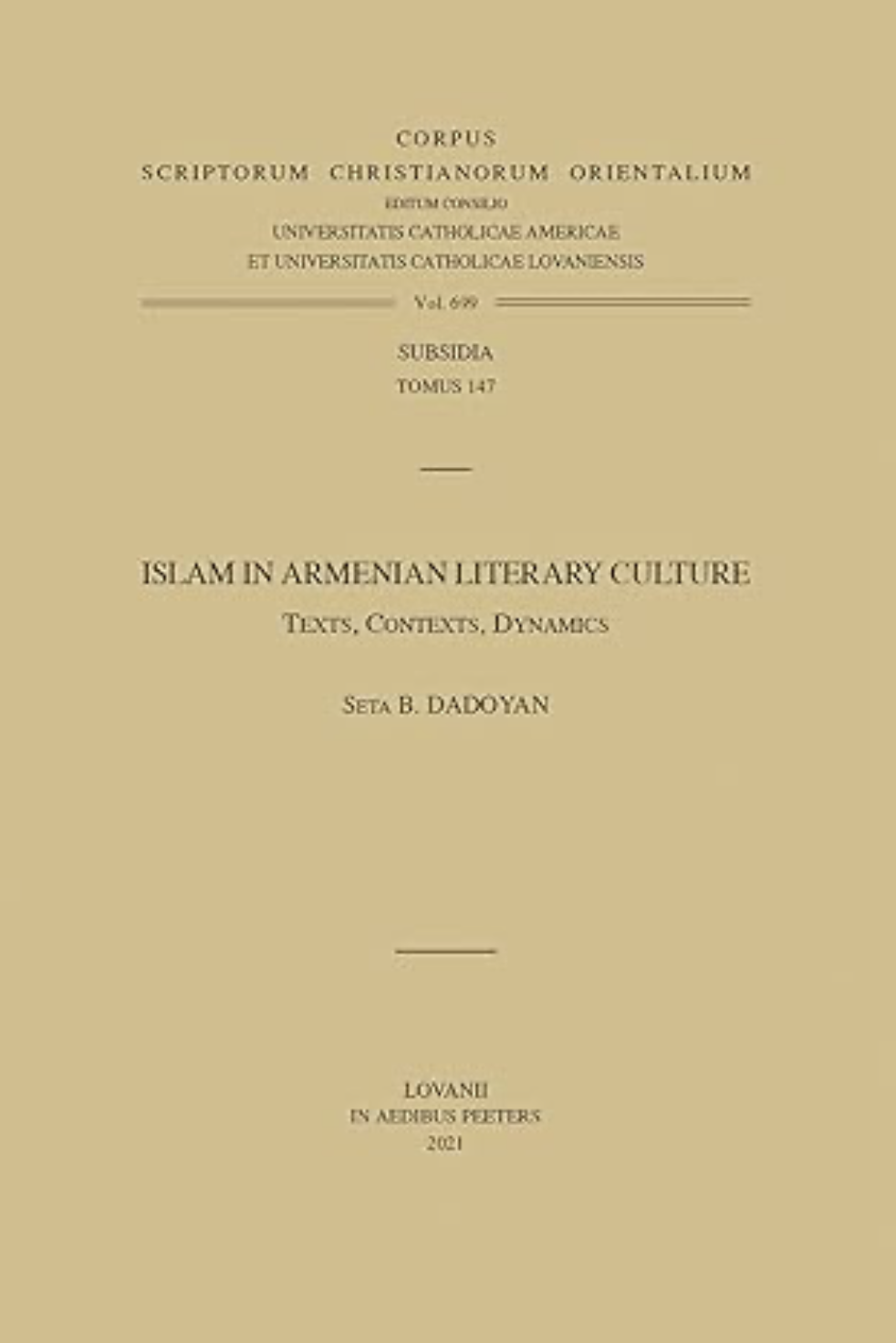
Islam in Armenian Literary Culture: Texts, Contexts, Dynamics. Leuven: Peeters, 2021.
ISBN978-90-429-4503-6
Contents
Prologue
Acknowledgments
Abbreviations and Transliterations
Transliteration Tables — Armenian and Arabic
Bibliography
I. The “Armenian Ghurans”
A. “Armenian Ghurans”: Newly discovered manuscripts of Armenian translations of the Qur’ān — The first group during the Awakening 17th - 18th centuries . . . . . . xvi
B. “Armenian Ghurans”: The second and third groups of translations — 19th - 21st centuries (in chronological order)
II. General Bibliography
Introduction
Part One
THE MEDIEVAL “ARMENIAN MAHMET” AND HIS “LAWS”
(7th TO 11th CENTURIES)
Chapter I. The Historical Context
Chapter II. The “Armenian Mahmet” through Phases — The First Phase in the Arab Period (7th to 9th centuries)
Mahmet as t‘ankangar, lawmaker, prophet, world-conqueror
A. Sebēos
B. Ghewond
C. T‘ovma Artsruni
Chapter III . T he Second Phase in the Formation of the “Armenian Mahmet” (10th to 11th centuries)
A. The historians of the “Age of Kingdoms”
1. Yovhan V Draskhanatertts‘i
2. Movsēs Kaghankatuats‘i — Movsēs Daskhurants‘i
3. Shapuh Bagratuni the Anonymous Storyteller
4. Step‘anos Taronets‘i Asoghik
B. The last authors of the Arab Period
1. Aristakēs Lastivertts‘i
2. Grigor Pahlawuni Magistros
Part Two
THE THIRD PHASE AND THE COMPLETION OF THE “ARMENIAN MAHMET” THE SELJUK AND EARLY MONGOL PERIODS (12th TO 13th CENTURIES)
Chapter I. The “Armenian Intermezzo” and the Generation of the Armenian East and West (10th to 12th Centuries)
Chapter II. The Third Phase in the Seljuk-Mongol Period in the East
A. New material for the “Armenian Mahmet” — Samuēl Anets‘I and Mkhit‘ar Anets‘i
1. Samuēl Anets‘i
2. Mkhit‘ar Anets‘i
B. Qāḍī Burhān al-Dīn Abū Naṣr Ibn Manṣūr al-Anawī (Anets‘i) a contemporary and adversary — An Anti-Armenian polemics in his Anīs al-Qulūb
C. Sunnī Law as motive for Armenian canon law: Book of Judgment (Datastanagirk‘) by Mkhit‘ar Gōsh
D. Mahmet at the end of an era in Armenian historiography —Vardan Arewelts‘i, Kirakos Gandzakets‘i
1. Vardan Mets - Arewelts‘i
2. Kirakos Gandzakets‘i
3. Step‘anos Ōrbelyan
Chapter III. T he Third Phase in the Seljuk-Mongol Period in the West and Cilicia (12th to 13th centuries)
A. Mahmet “in the wings”: Matt‘ēos Uṛhayets‘i, Smbat Sparapet, Het‘um Patmich‘
1. Matt‘ēos Uṛhayets‘i
2. Smbat Sparapet Gundstable
3. Het‘um Patmich‘ or Hayton of Corycus
B. Diverging cases
1. Vahram Rabuni: Islam and Mahmet in an epic poem
2. Yovhannēs Erznkats‘i: “Tajik sages” and ‘Abbāsid Caliph al-Nāṣir’s Futuwwa reform literature at Erznka/Erzinjān
Part Three
THE “ARMENIAN PAX ISLAMICA” AS PER THE HISTORICAL AND LITERARY RECORDS OF ALLEGED EDICTS/COVENANTS/OATHS/DECREES/PACTS
(7th TO 20th CENTURIES)
Chapter I. Perceptions of Christianity and the Status of the Dhimmīs
A. Christ and Christianity in the Qur‘ān
B. Dhimmīs and the Qur’ānic bases for social order, rectitude, taxation and food
(Q2:256; Q5:5; Q9:29)
Chapter II. The Pax Islamica and the Process of Canonization (7th to 9th centuries)
A. The “Edict of the Prophet”
B. Canonization: from ‘Umar Ibn al-Khaṭṭāb to al-Mutawakkil
1. Caliph ‘Umar I — The symbolic-historical beginnings
2. Umayyad Caliph ‘Abd al-Malik — The initiator
3. Umayyad Caliph ‘Umar II Ibn ‘Abd al-‘Azīz — The first “canonizer”
4. Canonization: Shurūṭ ‘Umar in early 9th century
5. The “Edict of al-Mutawakkil” (850)
Chapter III . The “Armenian Pax Islamica” — The Literary Record
A. The formation of the “Armenian Edict of the Mahmet”
1. The first reference in the Chronicle of Samuēl Anets‘i
2. A direct citation by Kirakos Gandzakets‘i
3. Grigor Tat‘ewats‘i — Completion of the “Edict of Mahmet to the Armenians”
B. Other Versions of the “Edict of Mahmet”
1. “The vasiat’ (will) of p‘eghambar Mahmat, by the hand of Maviē to the Christians”, M6984
2. “The Decree of the Prophet Mohammad” (626)
3. “The Great Manshur — Treaty of Mehemmet written for the Christians by the hand of ‘Alī” — 626
C. The alleged “Decree of ‘Alī” (660/61)
Chapter IV. The “Armenian Pax Islamica” — The Historical Record
A. Pacts and relations under Sunnī Law — Eight recorded pacts
1. The Pre-Umayyad Period, during the incumbency of Caliph‘Uthmān
a. The pact between Mu‘āwiyah and T‘ēodoros Ṛshtuni in 652 during the incumbency of Caliph ‘Uthmān Ibn ‘Affān
b. The Pact of Ḥabīb Ibn Maslamah at Duin (654)
2. The Umayyads
a. A third pact by Caliph Mu‘āwiyah concerning taxes (661)
b. The Oath of Muḥammad Ibn Marwān, Ostikan/Commissioner of Armīnyah, to [deceased] Catholicos Sahak III(703)
c. The oath of Caliph ‘Umar II to Catholicos Yovhan II Ōdznets‘i (719)
3. Consolidation of Classical Sunnī Law in the ‘Abbāsid Period
4. Seljuk Sultan Malik Shāh — A pact with Bishop Barsegh of Ani (1090)
5. Ayyūbid Ṣalāḥ ed-Dīn’s Oath to the Christians-Armenians of Jerusalem in 1187 — The seventh pact under Sunnī Law
B. Turkmen and Shī‘ī times and polemical literature
1. The circumstances
2. Shī‘ī Law and Armenian Polemical literature
C. Polemics in response to accusations of Blasphemy and Impurity
1. The martyrdom of Catholicos Zak‘aria II Nahatak (martyr, r. 1369-1393) of Aght‘amar as immediate cause
2. Matt‘ēos Jughayets‘i and the “seven questions” of the Tajiks
3. Against the Tajiks of Grigor Tat‘ewats‘i — The “sixteen fallacies”
D. Safavid politics: Prophet’s Oath renewed by Shāh ‘Abbās I (1605-6) — New Julfa-Isfahan 226
E. Ottoman times — Contradictory Perspectives
1. Avedis Bērbērian — Sultan Mahmud II (1811) — “Oath of Ēōmer” to Jerusalem Armenians (in 636)
2. E. T‘op‘chyan — “Oath of Ēōmer” and Ottoman politics
Part Four
THE “ARMENIAN GHURANS” IN THE OTTOMAN AND SAFAVID WORLDS
(17th TO 18th CENTURIES)
Chapter I. The Armenian Awakening in New Worlds of Islam 233
A. The making of new Armenian worlds — New Julfa and Aleppo
B. The Armenian condition in the 17th century and the historiography
1. Grigor Vardapet Kamakhets‘i-Daranaghts‘i Buk‘
2. Aṛak‘el Dawrizhets‘i
3. Zak‘aria Sarkawag K‘anakeṛts‘i
4. Eremia Ch‘ēlēbi K‘ēōmiwrchian
C. “Confession” of a New Julfan convert Abgar ‘Alī Akbar Armanī
Chapter II. The “Armenian Ghurans” — Polemical Side-Scripts and Appendices — Circumstances and Objectives
A. Qur’ān translations in the West
B. The first Armenian translation of the Qur’ān from Latin by Step‘anos Lehats‘i in 1680
C. The first copy of Lehats‘i’s Ghuran — Occasion and platform for a Sequel of four texts (M3019, dated 1681)
Chapter III. The 18th century — Circumstances and Historiography Armenian Ghurans from Arabic and copies
A. Circumstances in the Safavid and Ottoman worlds
B. Literature and historiography
1. Yovhannēs Jughayets‘i Mrk‘uz
2. An unusual contemporary apologist-polemicist of Mrk‘uz in Aleppo — Makirdīj al- Kassīḥ Ibn ‘Abdallāh al-Mukhalla‘ al-Armanī
3. Abraham Kretats‘i
4. Abraham Erewants‘i
5. Mik‘ayēl Ch‘amch‘iants‘
C. The First Armenian Translation of the Qur’ān from Arabic (lost) in the 18th century — Three copies with the Will/Edict of Mahmet as appendix
1. Ghōran Mahmetin — First translation from Arabic “by the hand of” Aristakes Erēts‘ Hamadants‘i, 1706 (M 6984, date 1706) — The “Will of the Prophet” as Appendix
2. Book called Ghuran (Girk‘ or Koch‘i Ghuran, M8056) —The first known copy of Ghōran Mahmetin from Arabic
3. Book Called Ghuran (M2826) — A second copy of M6094 and a comprehensive polemical side-script
Part Five
ISLAM, THE PROPHET AND THE QUR’ĀN IN LATE MODERN AND CONTEMPORARY LITERATURE
Chapter I. Dawn of “Islamological” Scholarship — Philology, Biography, Critique, Polemics and Apology
A. K‘erovbē Patkanyan’s publication of six accounts of Mahmet and Islam, as appendices in the History of Mkhit‘ar Anets‘I (St. Petersburg, 1879)
B. P‘ilibbos Vardanyan—Translation of Washington Irving’s Life of Mahomet (Tbilisi, 1894)
C. A pioneering study of Islam — Polemics revisited by Erwand (T‘op‘ch‘yan, Tbilisi, 1899)
D. A critical analysis of the Sharī‘ah by Atrpet (Tbilisi?, 1899)
E. A genuine apology for and praise of Islam by Dawit‘ Ṛostomyants‘ (Baku? c.1880s)
Chapter II. Three Armenian Ghurans and Biographies of Mahmet — 1909-1912
A. Abraham Amirkhanyants‘ and an Islamic “trilogy”: A biography of Muḥammad, the Ghuran and a Polemical treatise (Tbilisi, Varna, 1904-1910)
B. K‘uran — Translation from French, and biography by Lewon Larents‘ (Istanbul, 1911)
C. Muhammēt, Guran — Translation from Arabic, and biography, by Hagop Kurbēt‘ian (Varna, 1912)
Chapter III. “Implied Islamology” in the 20th century Philology, Arabology, Politics
A. Philological — K‘. Patkanyan and P. Gulēsērian
B. “Arabology” (arabagitut‘iwn) — Islam in the context of Arab-Armenian histories — B. Khalat‘yan (1919), Lēō (1920-1930s), Y. Nalpantyan (1965), A. Tēr Ghewondyan (1980s)
1. Bagrat Khalat‘yants‘
2. Lēō (Aṛak‘el Babakhanyan)
3. Yakob Nalpantyan
4. Aram Tēr Ghewondyan
C. Pax Islamica revisited — Mahmet as oath-giver and guarantor— Leon Arpee (1946), L. Minassyants‘ (1972), Y. Anassyan (1980)
Chapter IV. The Third Phase of Translations 1991-2014 —Contemporary Themes and Concerns
A. Partial translation (from Russian), G. Guyumchyan (Moscow, 1991)
B. Partial translation (from Russian), V. Dawt‘yan (Yerevan, 1995)
C. Full translation (from Arabic), N. K‘ilislian (Toronto, 2003)
D. Full translation (from Persian), E. Hakhverdyan (Yerevan, 2006)
E. Full translation (from Turkish), Y. Aydin (Ankara, 2014)
F. First studies on Qur‘ān translations, A. Kozmoyan (Yerevan, 2003, 2006)
Chapter V. Religious and missionary themes and concerns
A. Christian preaching among Muslims
B. Biblical Persons in the Qur’ān — Christ and Mariam
C. General, informative, comparative studies — Islam-Christianity, Islam at present, Shī‘ism, communities
In Lieu of a Conclusion
A CRITICAL, HOLISTIC, AND INTERDISCIPLINARY PROJECT FOR
ISLAMIC-ARMENIAN STUDIES
Appendix: Al-Shāfi῾ī’s Version of Shurūṭ ‘Umar
Indexes
Personal Names
General Index
Table of Content
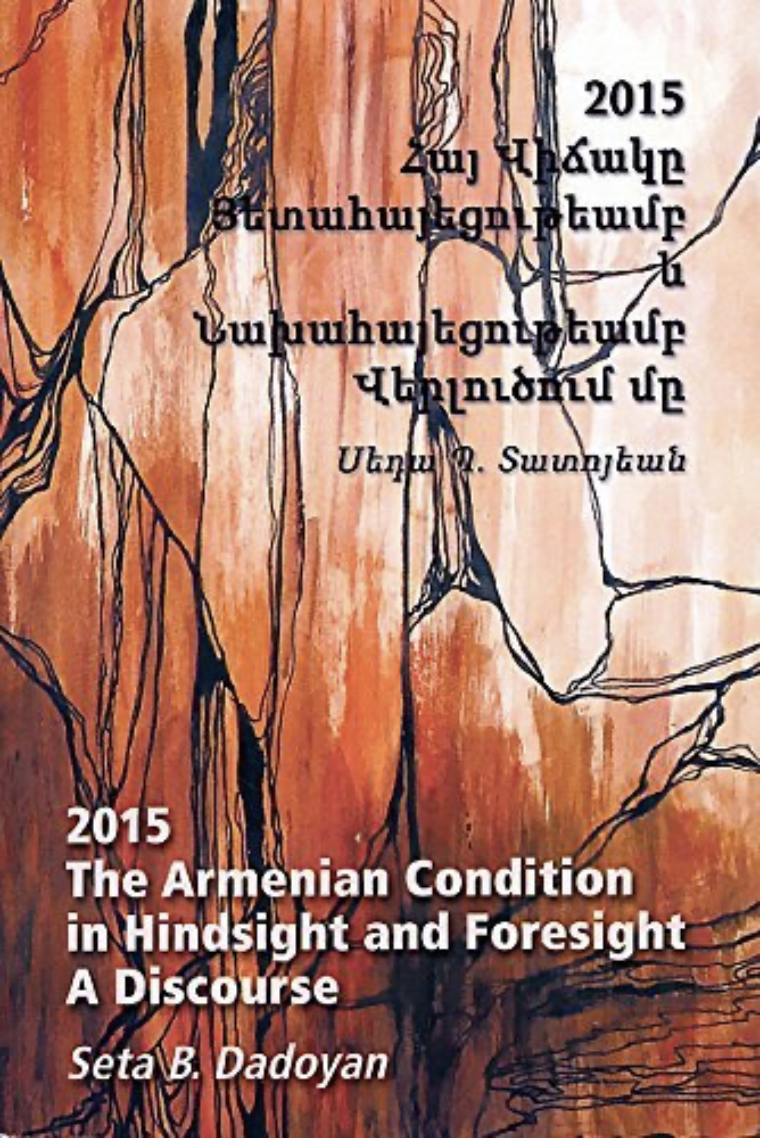
2015 - The Armenian Condition in Hindsight and Foresight- A Discourse / 2015 – Հայ Վիճակը Յետահայեցութեամբ և Նախահայեցութեամբ – Վերլուծում մը. Ottawa, Canada: 2015.
ISBN978-1-4951-7994-5
Contents
Introduction: The Armenian Condition in Critical Perspective
Part One
In Hindsight:
Aspects/Levels of the Uniqueness of the Armenian Condition and Historical Evolution
A. Medieval Historical Narratives – Modernist Trends – A Critique
B. Unity – Multiplicity
C. Armenian Mindset – Contemporary Self-Consciousness
D. Uniformity of Occurrences – Variety/Divergences
E. Ideology – Realpolitik
F. Homeland – Habitat
G. Autonomous Politics – Armenian Politics
H. Inside/Outside – Metasystem/Monadic Nationalism
I. Diaspora – Dispersion
J. Center/Peripheries – A Metasystem and Two Armenian Worlds
K. Rule of Essence – Rule of the Habitat/Location
L. Orthodoxy/Heresy – Dissent/Freethinking
M. Native Culture/Tradition – Acculturation
N. Identity as Essence/Idea – Identity as Existence/Interaction
O. Native Language – Deliberate Multilingualism
Part Two
In Foresight: The Next Armenian Century
L-Turns and U-Turns on the Levels of the Public, Education, and Intellectual Culture
A. The Present Condition
B. In Foresight − Down the Path
1. Level of the Public − L-Turns and U-Turns
a. Reorienting the Armenian mindset − Democratization
b. Promoting a culture and ethics of critical thinking
c. Legitimizing dissent and freethinking
d. Providing knowledge of culture, arts and history
e. Preparing comprehensive plans for public education
f. The media as tools for instruction
g. The relevance and the problematic of the arts
h. Deliberate multi-culturalism and multi-lingualism
i. Habitat and being/feeling part of the Metasystem
2. Level of Education – A New Philosophy of Education
3. Level of Intellectual Culture
Part Three
In Hindsight and Foresight
A Phenomenological and Holistic Analysis of Western Armenian, Historical Writing and Identity
A. The Problem of West Armenian in the United States
1.The Existential Problem
2. Hyphenated Identities
3. The Epistemological Problem
4. Technical Language and Vocabulary
5. Armenian Studies Centers
6. The Cultural Politics or Diplomacy of Institutions
B. Historical Writing: A Phenomenological Analysis
1. History and the Philosophical Style of Thinking
2. The Intellectual, Historical Writing, the Public, and ‘Truth’
3. The Armenian Intellectual and Cultural Diplomacy
C. A Holistic analysis of Identity in Hindsight and Foresight
1. Identity on the Intersection of Subjective, Objective and Institutional Levels − Who, What, How?
2. Synthesis, Conflict, Controversy
Conclusion: Catharsis and the Morrow
Appendix I. A Chronology of Armenian History
Appendix II. A Glossary – Armenian-English, English-Armenian
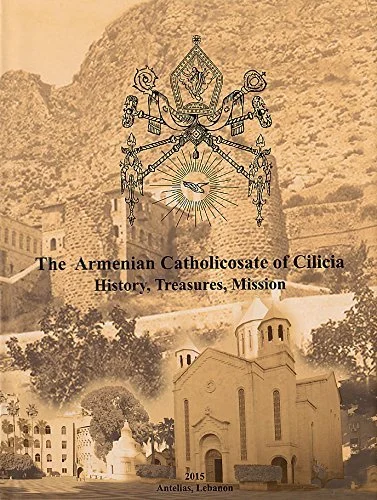
The Catholicosate of Cilicia - History, Mission, Treasures. Editor, Co-Author. Antelias, Lebanon: Catholicosate Publications, 2015.
ISBN978-9953-0-3164-4
Contents
Preface, His Holiness Catholicos Aram I
Editor’s word - Seta B. Dadoyan
Part I. The History of Cilicia and the Catholicosate
Claude Mutafian, Le dernier royaume d’Armenie Cilicie - 1198-1375
Seta B. Dadoyan, The Move of the Catholicosate from Armenia, to Cilicia, to Antelias
Lévon Nordiguian, Le monastère du catholicossat de Cilicie à Sis - Entre hier et aujourd’hui
Khat Vartabed Achabahian, The Caravan of the Monastery (1915) – An Eyewitness Account
Editorial, Symbols of Martyrdom and Resurrection
Part II. The Treasures of Armenian Cilicia
Editorial, The Cilicia Museum
Sylvia Agemian, Miniatures et manuscrits
Raymond Kévorkian, Le fonds de livres arméniens anciens de la Bibliothèque
Levon A. Saryan, The Coin Collection
Dickran Kouymjian, Catalogue of the Liturgical Metalwork
Marielle Martiniani Reber, Paramentique et autres textiles
Editorial, The Painting and Sculpture Collection
Movses Herkelian, The Carpet Collection and Notes on the Art of Weaving
Epilogue, His Holiness Catholicos Aram I
Appendices, Editorial
The premises in 1930s
The premises and other institutions in 2015
Complete List of the Catholicoi of the Armenian Church
Seta B. Dadoyan, A Concise Chronology of Armenian History
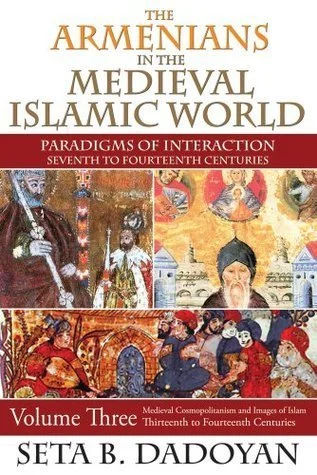
The Armenians in the Medieval Islamic World – Paradigms of Interaction Seventh to Fourteenth Centuries. New Brunswick, U.S.A. & London, UK: Transaction Publishers, 2011, 2012, 2013.
Volume III
Erzinjān and Paradigms of Medieval Cosmopolitanism The Prophet and Islam in Armenian Literature ‒Thirteenth to Fourteenth Centuries (2013)
ISBN978-1-4128-4577-9
Concise Contents
Erzinjān and Paradigms of Medieval Cosmopolitanism – The Prophet and Islam in Armenian Literature – Thirteenth to Fourteenth Centuries
Prologue to the book
Introduction
Part One
Erzinjān: Paradigms of Medieval Cosmopolitanism
I. The city of Erznka and the Ismā‘īlī channel
II. Secularization of Sciences: An Armenian summary of Rasā’il Ikhwān el-Ṣafā’
III. Project for the spiritualization of urban order: Caliph al-Nāṣir’s Futuwwa Project
IV. Urbanization of Culture and the Cultural Significance of the Fityān and Manuks
Part Two
The Prophet and Islam in Armenian Literature - Seventh to Fourteenth Centuries: Armenian Conceptualization of Islam through Polemics-Apologetics
I. Life of the Prophet Muḥammad
II. Islam and the Tradition of Arab-Christian Apologetic/Polemical Literature
III. The Armenian Biographical Cycle of Muḥammad-Seventh-Fourteenth Centuries
IV. Grigor and Matt‘ēos: Polemical Strategies at the End of an Era
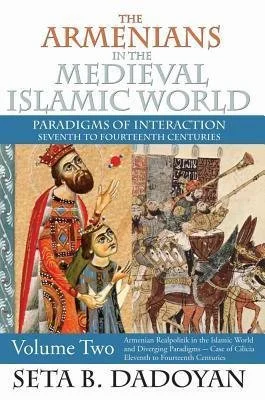
Volume II
Armenian Realpolitik in the Islamic World Diverging Paradigms and the Case of Cilicia ‒ Tenth to Fourteenth Centuries (2012)
ISBN978-1-4128-4782-7
Concise Contents
I. Bilād al-Shām in the Eleventh and Twelfth Centuries and the Armenian Intermezzo
II. Armenian-Byzantine and Armenian Islamic Realpolitik and Peripheral Principalities
III.The Fāṭimid Armenians – Translations of Islam into Power
IV. The “Dynastic Triangle” or The Second Age of Kingdoms - Diverging Paradigms and
the Case of Armenian Cilicia -Twelfth to Fourteenth Centuries
V. The Cilician Spiritual and Intellectual Legacy between East and West
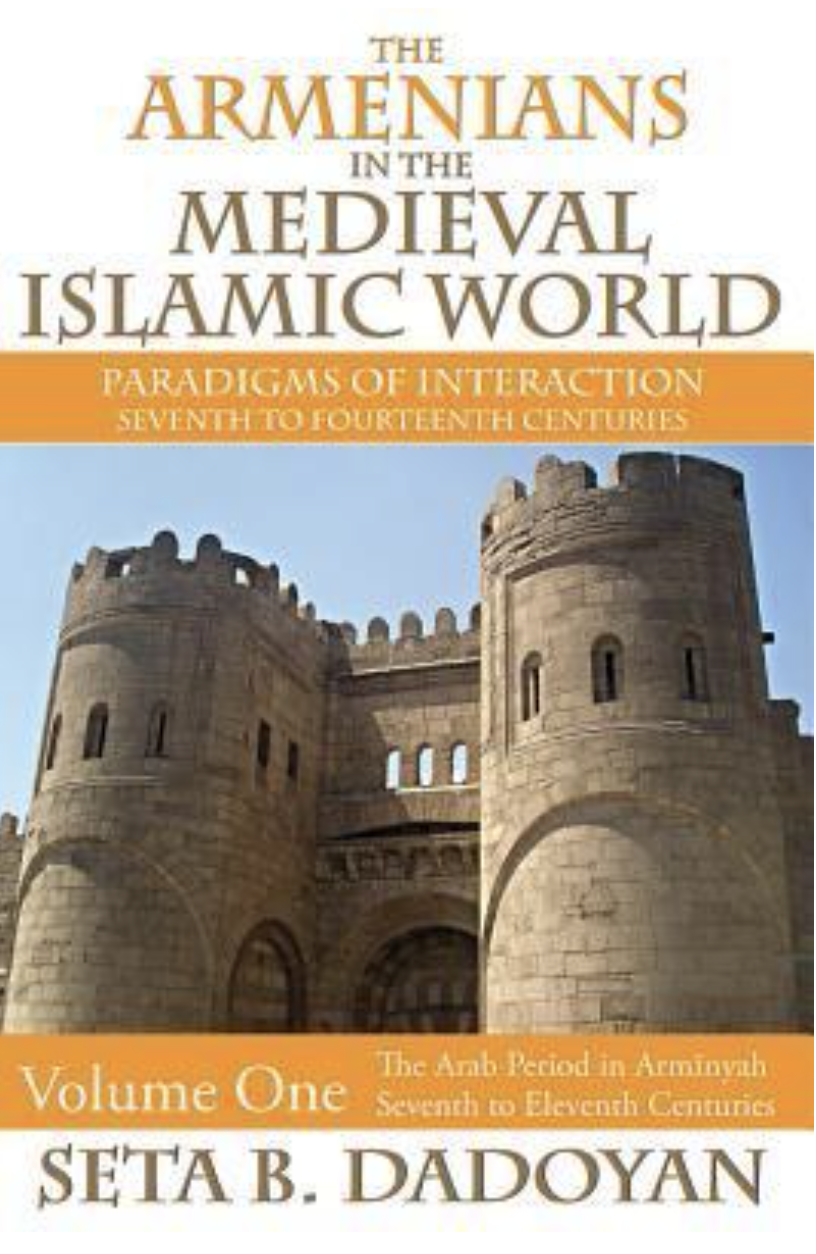
Volume I
The Arab Period in Armīnyah ‒ Seventh to Eleventh Centuries (2011)
ISBN978-1-4128-5189-3
Concise Contents
Prologue to the Book
Introduction. Armenian Historiography and the Book as an Argument
I. Factors in the Pre-Islamic Armenian Condition – Fourth- Seventh Centuries
II.Early Arab Campaigns and the Regulation of Relations as Per the Medīnan Legacy
III. The Umayyad Period and the Reconfirmation of Oaths
IV. The Armenians in the ‘Abbāsid World - Paradigms of Borderlands and Dissidence
V. Armenian Dynastic Principalities or the “Age of Kingdoms”
Summary of the Arguments in Volume One
Bibliography
Maps
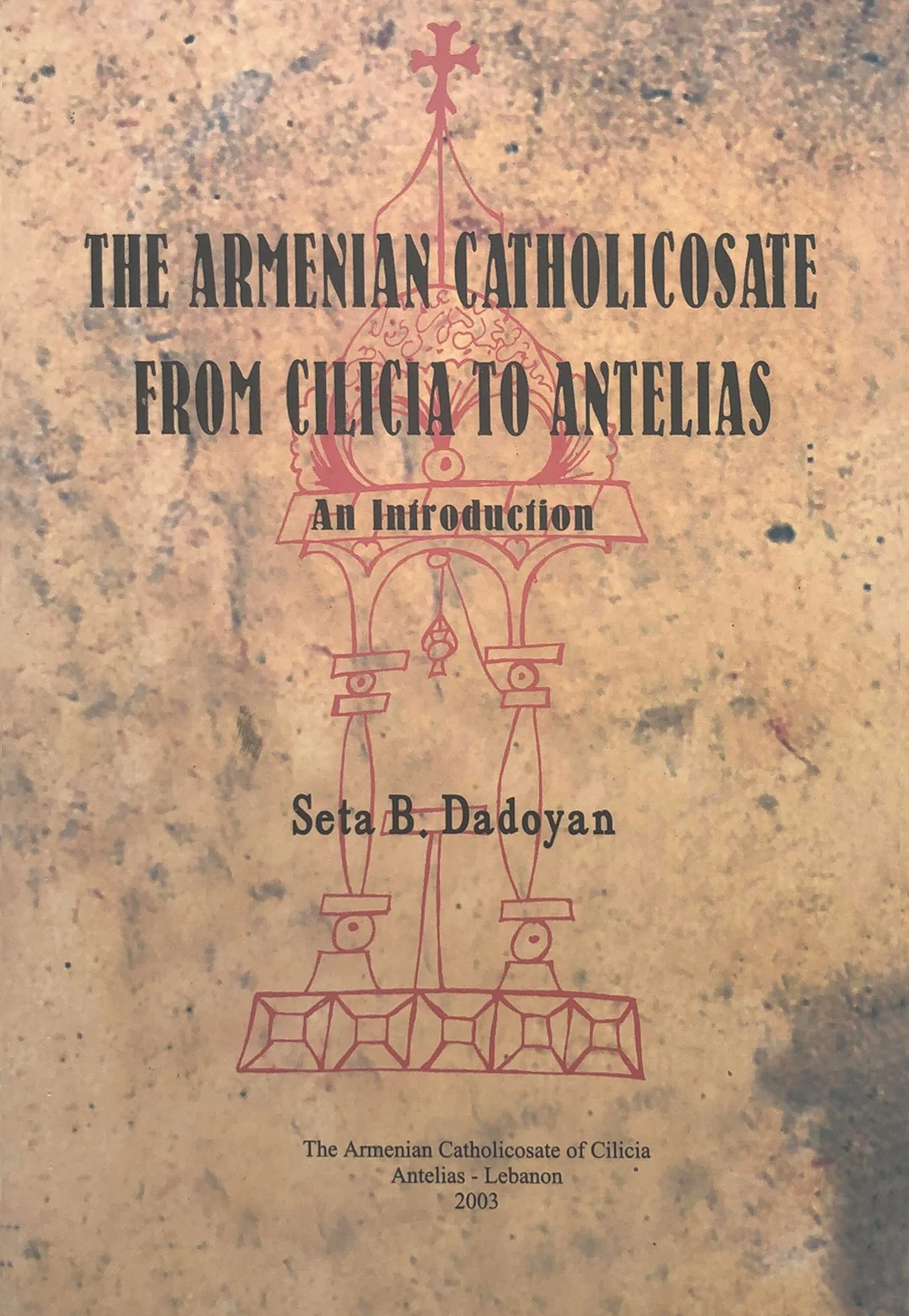
The Armenian Catholicosate from Cilicia to Antelias − An Introduction to the Political History. Antelias, Lebanon: Catholicosate Publications, 2003.
Contents
Foreword
Introduction
I. The Exodus of the Catholicosate from Ani
II. The Armenians in Cilicia and the Medieval Middle East
III. The Catholicosate in Cilicia- International Politics and Ecumenism
IV. The Kingdom: Prince Levon II (1187-1198/9), as King Levon I (1198/9-1219)
V. The Aftermath: A Critical Re-Evaluation and Commentary
VI. The Council of Vagharshapat in 1441
VII. The Reasons behind the 1441 Movement
VIII. The Catholicosate of the Great House of Cilicia in Sis 1441-1921
IX. The National Constitution and the Catholicosal Sees
X. Sahak II and the Pre-Antelias Period
XI. The Antelias Period the First Phase 1930-1956
XII. The Last Fifty Years
Conclusions
Appendices
The Contribution of the Armenian Church to the Christian Witness in the Middle East. Editor, Co-Author. Antelias, Lebanon: Catholicosate Publications, 2001.
[International Conference on the1700th anniversary of the Christianization of Armenia in 301]
Contents
Foreword
H.H. Aram I. The Armenian Church in the Middle East ‒ Some Facts and Perspectives
PART I
Prof. Seta B. Dadoyan. An historical Survey and Assessment
PART II
GREETINGS
from
The President E. Lahoud of Lebanon, President R. Kocharian of Armenia, Catholicos Garegin I of All Armenians, Pope John Paul II, Pope Shenouda III of the Coptic Church, also all the Christian Churches and world leaders and organizations
(total 20)
PART III
Papers and Group Presentations
(total 16)
A. The Contribution of the Armenian Church to the Ecumenical Movement in the Middle East (four papers)
B. The Role of the Armenian Church in the promotion of culture (three papers)
C. The Armenian Church: Social action and human rights (three papers)
D. The Arenian Church in different contexts in the Middle East today (six papers)
Concluding Remarks ‒ H.H. Aram I
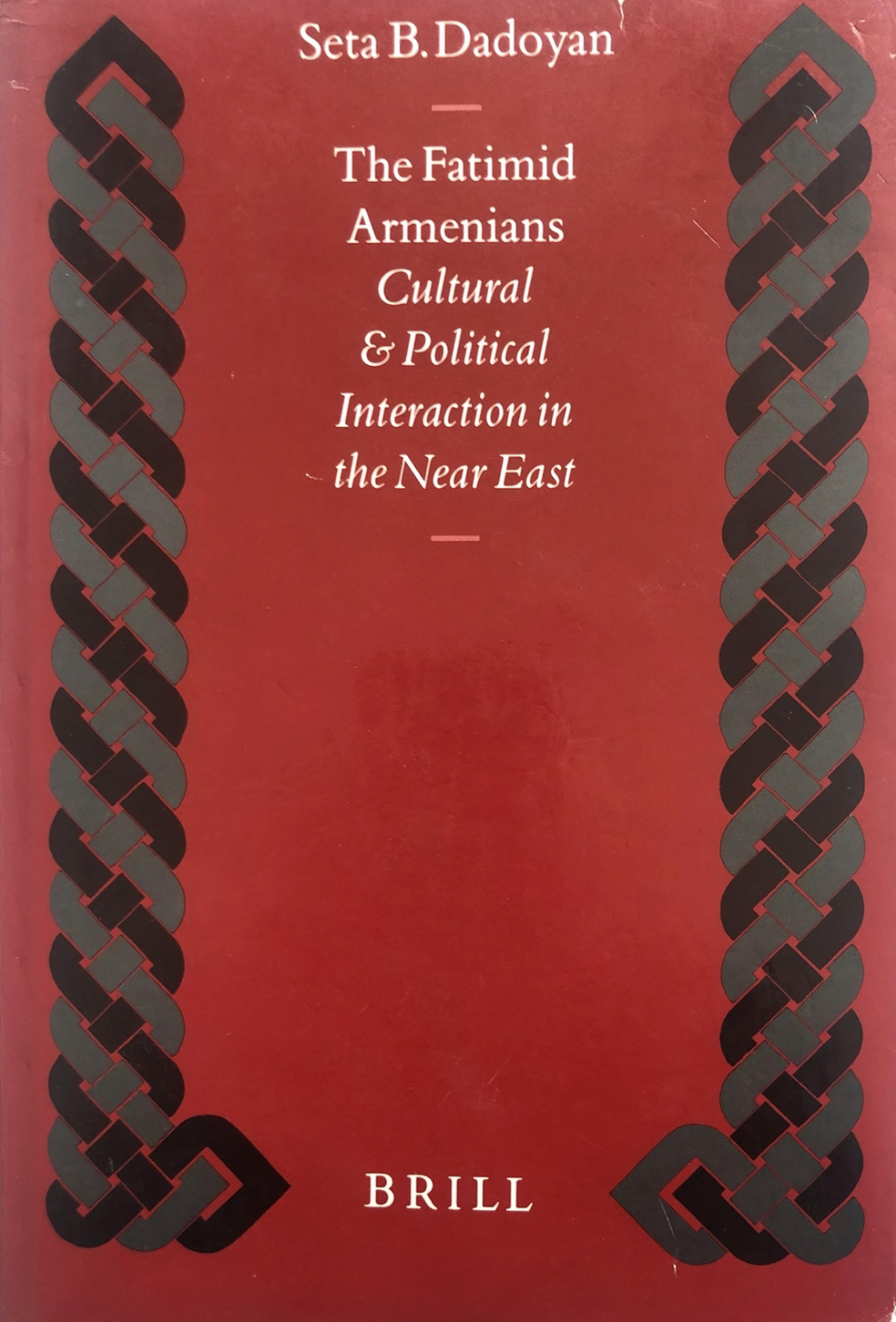
The Fāṭimid Armenians ‒ Cultural and Political Interaction in the Near East. Islamic History and Civilization Series. E.J. Brill. Leiden: 1997.
ISBN90-04-10816-5
Contents
Introduction
I. The Syriac factor in the development of Armenian Christianity and the early sects.
-The Heretics of Sivas and the Council of Gangra
-The fifth century- The Mezghneans, the Borborits, the Nestorians
-The sixth century- The position of the Armenian Church
II. The Paulicians and the Muslim factor
-Origin and the the "eastern" roots: Syriac, majusi, Islamic
-Politicization: the Muslim alliance and Byzantine deportations
-Tephrike: the akritic state of the Paulicians in the ninth century
III. Armenian sectarians in Upper Mesopotamia and Syria from
the ninth to the eleventh century
-The Tonrakians and Grigor Magistros
-Sectarians in Upper Mesopotamia and Syria- Tenth to eleventh centuries
-The Arevordik or the Shamsiyya al-Arman in Syria
-The akritic state of Philartus the Armenian in Germanica
IV. The Armenian establishment in Fatimid Egypt
-Notes on the Armenians in Pre-Fatimid Egypt
-Catholicos Grigor Martyrophil
-Pahlavuni Prince Vizier Bahram al-Armani and Caliph al- Hafiz
V. Muslim Armenian vizierial rule in Egypt -The Jamali House
-Beginnings in Fatimid Aleppo: 'Aziz al-Dawla and al-ghulam Badr
-Abu'l-Najm Badr b. 'Abdallah al-Jamali al-Mustansiri-Amir al-Juyush
-Abu'l-Qasim al-Afdal Shahanshah b. Badr al-Jamali
-Abu 'Ali Ahmad Kutayfat al-Akmal b. al-Afdal
-Abu'l-Fath Yanis al-Rumi al-Armani
-A historical reading of architectural monuments by the Armenian viziers
VI. The Nusayri Banu Ruzzik – The end of the "Armenian period"
-Abu'l-Gharat Faris al-Muslimin Tala'i' b.Ruzzik- "Poetic" testimonies
-Abu Shuja' Majd al-Islam Ruzzik b.Tala'i'
-Concluding remarks
Appendices
Bibliography
Index
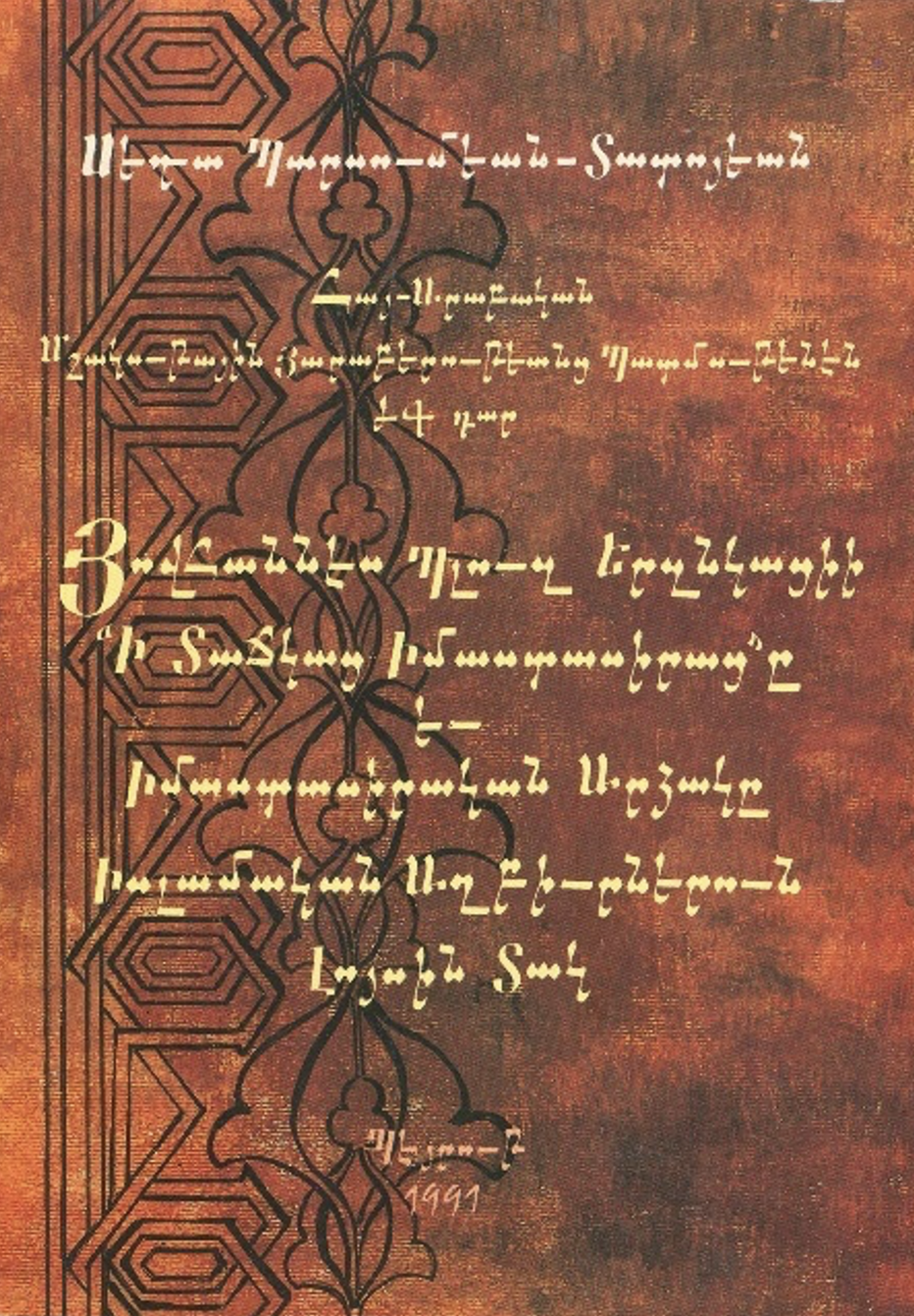
Յովհաննէս Երզնակացիի 'Ի Տաճկաց Իմաստասիրաց'ը և Իմաստասիրական Արձակը Իսլամական Աղբիւրներուն Լոյսին Տակ [John of Erznka: 'Views from the Writings of Islamic Philosophers' and Philosophical Treatises in the Light of their Islamic Sources – Ikhwān al Ṣafā’]. Beirut: 1991.
Contents/Բովանդակութիւն
Ներածական
Գլուխ Առաջին ‒ Յովհաննէս Երզնակացին և Ի Տաճկաց Իմաստասիրաց Գրոց Քաղեալ Բանքը
Ա. Անձը և գրական գործունէութիւնը
Բ. Ի Տաճկաց Իմաստասիրաց Գրոց Քաղեալ Բանք Յովհաննէս Երզնկացին
Գլուխ Երկրորդ ‒ Ի Տաճկացին Աղբիւրներու Հարցը և Իսմայիլական Շարժումը իբրև Անցումի Միջոց
Ա. Իսմայիլական Շարժումը
Բ. Հայ-արաբական և հայ-իսմայիլական յարաբերութիւնները
Գլուխ Երրորդ ‒ Մաքրութեան Եղբայրութիւնը և իր Հանրագիտարանային Թուղթերը, կամ՝ Ռասա'էլ Իխուան ալ-Սաֆա’ ուա Խիլլան ալ-Ուաֆա'
Ա. Մաքրութեան Եղբայրութիւնը
Բ. Եղբայրութեան իմացքը և բնոյթը
Գ. Ռասա'էլին աղբիւրները և Եղբայրութեան նպատակը
Դ. Ռասա'էլը իբրև ձև և բովանդակութիւն
Գլուխ Չորրորդ ‒ Մաքրութեան Եղբայրութեան իմաստասիրական համակարգը
Ա. Գիտութիւններու դասակարգում
Բ. Տրամաբանութիւն
Գ. Ուսողական գիտութիւններ
Դ. Բնափիլիսոփայութիւն
Ե. Հոգիի տեսութիւն, իմացաբանութիւն և մարդաբանութիւն
Զ. Բարոյագիտական տեսակէտներ
Է. Ընկերային-քաղաքական տեսակէտներ
Գլուխ Հինգերորդ ‒ Բնագիրներու Բաղդատական Ուսումնասիրութիւն և Ի Տաճկաց
Իմաստասիրաց Գրոց Քաղեալ Բանքին և իր Աղբիւրին՝ Մաքրութեան Եղբայրութեան Թուղթերուն
Ա. Գիտութիւններու դասակարգում
Բ. Իմացաբանութիւն, տրամաբանութիւն
Գ. Մարդուն ինքնաճանաչումը ըստ իր բնութեան
Դ. Բնափիլիսոփայութիւն, բնազանցութիւն
Ե. Պատճառականութեան սկզբունքը
Զ. Արտազեղական տեսութիւն
Է. Հանքաբանութիւն
Ը. Ընդհանրացումներ և եզրակացութիւններ
Գլուխ Վեցերորդ ‒ Երզնկացիի Իմաստասիրական Գրականութիւնը Ի Տաճկացին Աղբիւրներուն Լոյսին տակ
Ա. Իմաստասիրութեան իմացքը և գիտութիւններու դասակարգումը
Բ. Մարդու իմացքը
Գ. Իմացաբանական տեսակէտներ
Դ. Բարոյագիտական տեսակէտներ
Ե. Ընկերային-քաղաքական տեսակէտներ
Զ. Երզնկացիի Սահման և Կանոնք Միաբանութեան Եղբարցը և երիտասարդական շարժումները միջնադարուն
Է. Բնագիտական, տիեզերաբանական, աստղագիտական տեսակէտներ
Գլուխ Եօթներորդ ‒ Յաւելուած
Ա. Ի Տաճկաց Իմաստասիրաց Գրոսց Քաղեալ Բանքը վերադասւորեալ
Բ. Անտիպ և ընտիր էջեր Երզնկացիի իմաստասիրական արձակէն ըստ նիւթերու
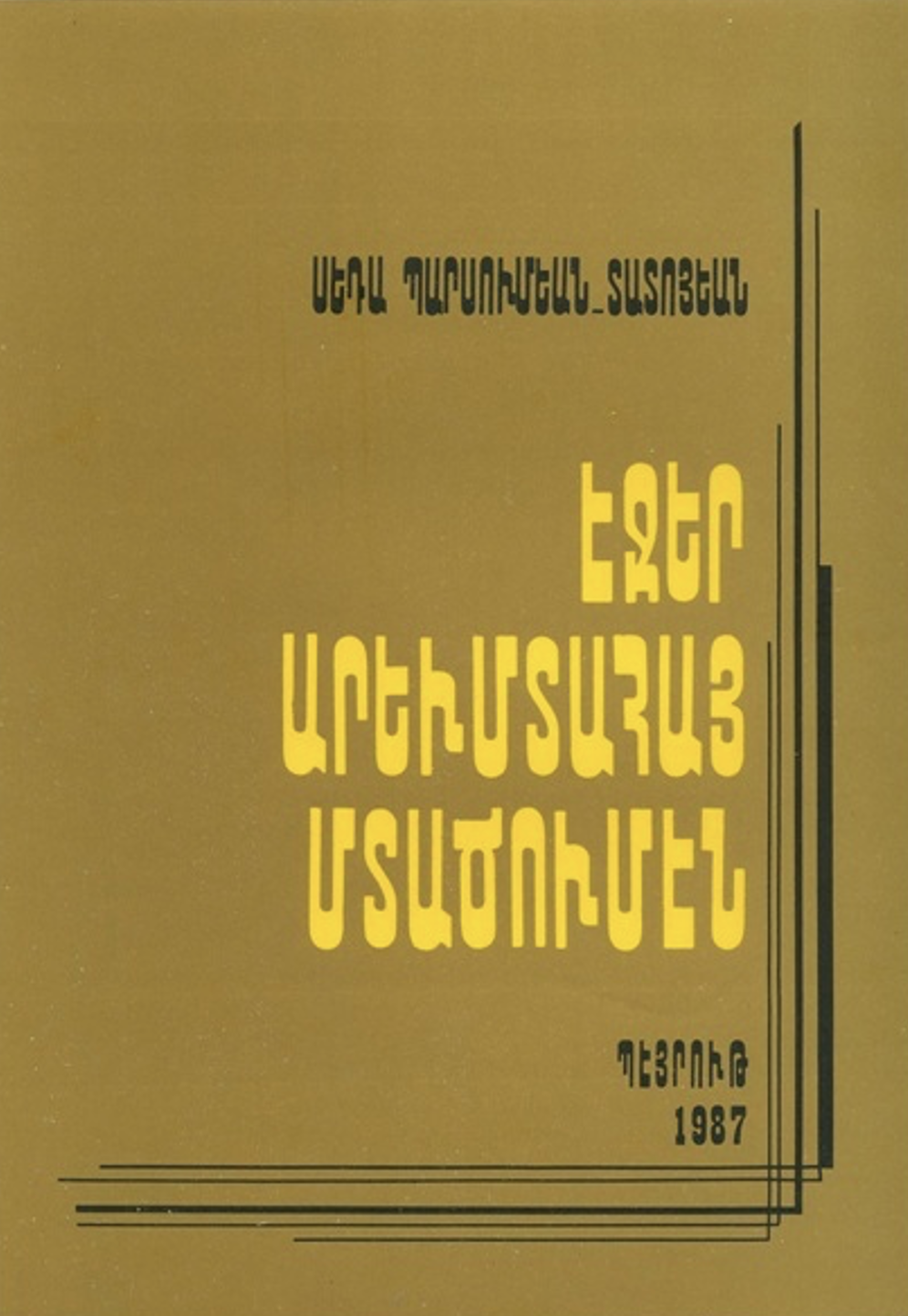
Էջեր Արևմտահայ Մտածումէն – Ե. Տէմիրճիպաշեան, Տ. Չրաքեան-Ինտրա, Շ. Պէրպէրեան, Գ. Գավաֆեան, Դանիէլ Վարուժան [Pages of West Armenian Philosophical Thought – E. Demirjibashian, T. Chrakian-Indra, Sh. Berberian, G. Kavafian, Taniel Varujan]. A.G.B.U. Beirut: 1987.
(Winner of H. Uzunian Award for Best Armenian Book of 1987).
Contents/Բովանդակութիւն
Յառաջաբան Վահէ-Վահեանի
Ներածական
Եղիա Տէմիրճիպաշեան. Տրամախոհութեան Տարրալուծումը Նիրվանային մէջ
Տիրան Չրաքեան-Ինտրա. Արևմտահայ Մտածումին 'Տմոյն Ատլասը'
Շահան Ռ. Պէրպէրեան. Ադրապաշտական Համադրոյթը
Գեղամ Գ. Գավաֆեան. Անդրապաշտը
Դանիէլ Վարուժան. Կենսապաշտական Դրոյթը՝ Հակաթեզ Անդրապաշտութեան
Իմաստասիրական Եզրաբանութիւն մը
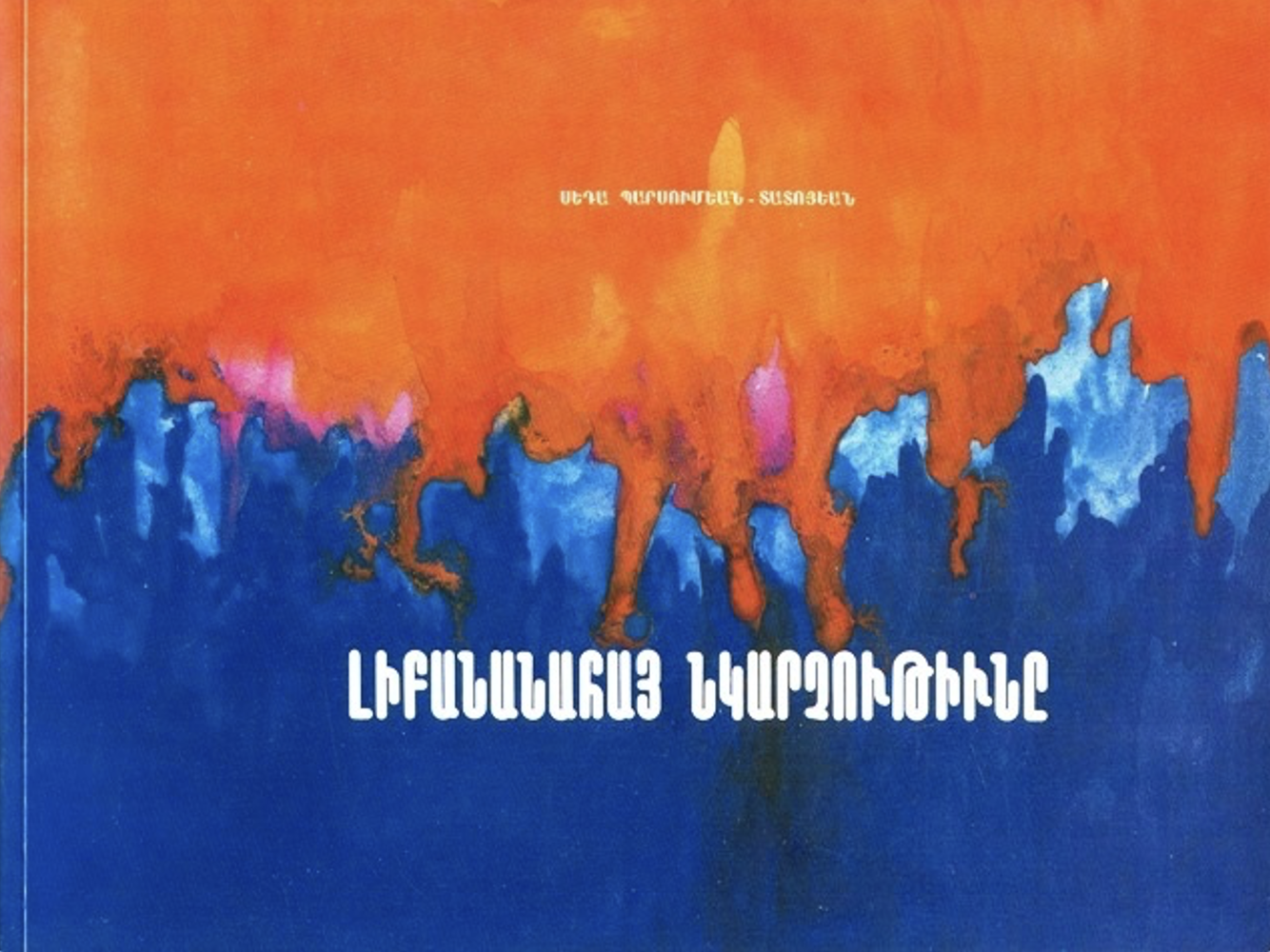
Լիբանանահայ Նկարչութիւնը Ինքնութեան Տագնապին Լոյսին Տակ [Armenian Painting in Lebanon in the Light of the Crisis of Identity]. Antelias, Lebanon: Catholicosate Publications, 1984.
Contents/Բովանդակութիւն
Ներածական
Առաջին Մաս
Լիբանանեան Կերպարուեստը
Ա. Պատմութիւնը, Քննադատութիւնը և Գեղարուեստական Ուսման Կեդրոնները
Բ. Զարգացումին Հանգրուանները
1. Ակադեմական Շրջան 1880-1930
2. Տպաւորապաշտ Շրջան 1930-1950
3. Իրապաշտ հակումներու Շրջան 1950-1960
4. Արդիապաշտ Շրջան 1960էն ետք
Երկրորդ Մաս
Հիմնական Երեւոյթներ Լիբանանահայ Նկարչութեան մէջ, ըստ Ենթականերուն Ինքնութեան Հակազդելու Կերպերուն
Կիւվ ‒ Նահանջը դէպի ենթաիրականութիւնը, կրաւորական հակազդեցութեան կերպ
Կիրակոսեան ‒ Վերացական հիւմանիզմը, դրական հակազդեցութեան իբրև արդիւնք
Կիւվտէր – Իտէալիզմ, հանգած իւրայատուկ ձևապաշտութեան մը
Ասատուր- Գերիրապաշտ-գոյապաշտ արուետը, ժխտական հակազդեցութեան արդիւնք
Թորոսեան ‒ Երազի մը կերպարանափոխումները, դրականօրէն չէզոք հակազդեցութեան արդիւնք
Մանուկեան ‒ Տեղական ինքնութեան որդեգրումը, անահատական փորձ՝ տագնապը լուծելու իրապաշտական դիրքերէ
Եզրակացութիւն
Կենսագրական համառօտ Ծանօթութիւններ
Խմբական կարևոր ցուցահանդէսներ